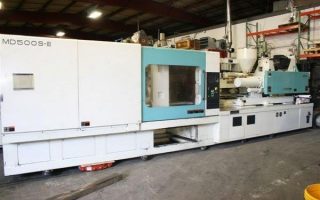
Injection Molding
Serving the injection molding industry for over 30 years JW Molding, Inc. has expanded our knowledge of many types of plastics from “Easy” grades, Polypropylenes, styrenes and ABS, to tougher grades such as carbon fiber filled grades of polycarbonate, glass filled Nylons, Valox, and Acetal.
Colors are always available in most specified materials. Just provide us with a color sample and our color house will match it.
About Injection Molding
The Process and Characteristics of Injection Molded Parts:
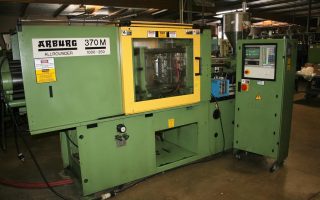
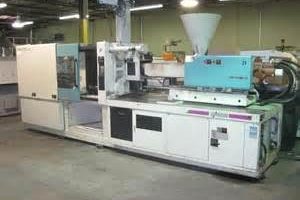
- Utilizes screw-type plunger to force molten plastic material into a mold cavity
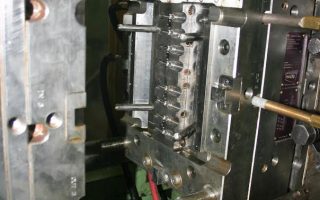
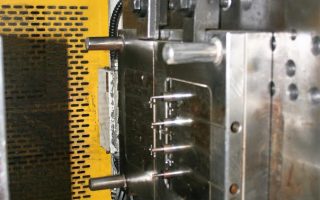
- Produces a solid or open-ended shape (typically a cavity and core shape) which conforms to the contour of the injection molded part
- Injection molds require the use of thermoplastic or thermoset materials
- Parting line, sprue, and gate marks are present
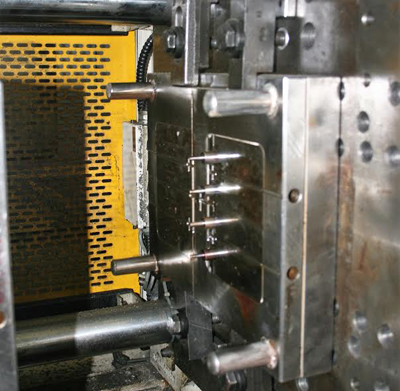
- Ejector pin marks are usually present on injection molds
History
In 1946, James Hendry built the first screw injection molding machine, revolutionizing the plastics industry with an auger design to replace Hyatt’s plunger. The auger is placed inside the cylinder and mixes the injection molded material before pushing forward and injecting the material into the mould. This allowed colored plastic or recycled plastic to be added to the virgin material and mixed thoroughly before being injected. Today screw injection molding machines account for 95% of all injection machines companies. The industry of injection molds has evolved over the years, from producing combs and buttons to a diverse array of custom injection molded products for the following industries: medical, aerospace, consumer, toys, plumbing, packaging, automotive, and construction.
Applications of Injection Molds
Examples of Polymers Best Suited for Injection Molds